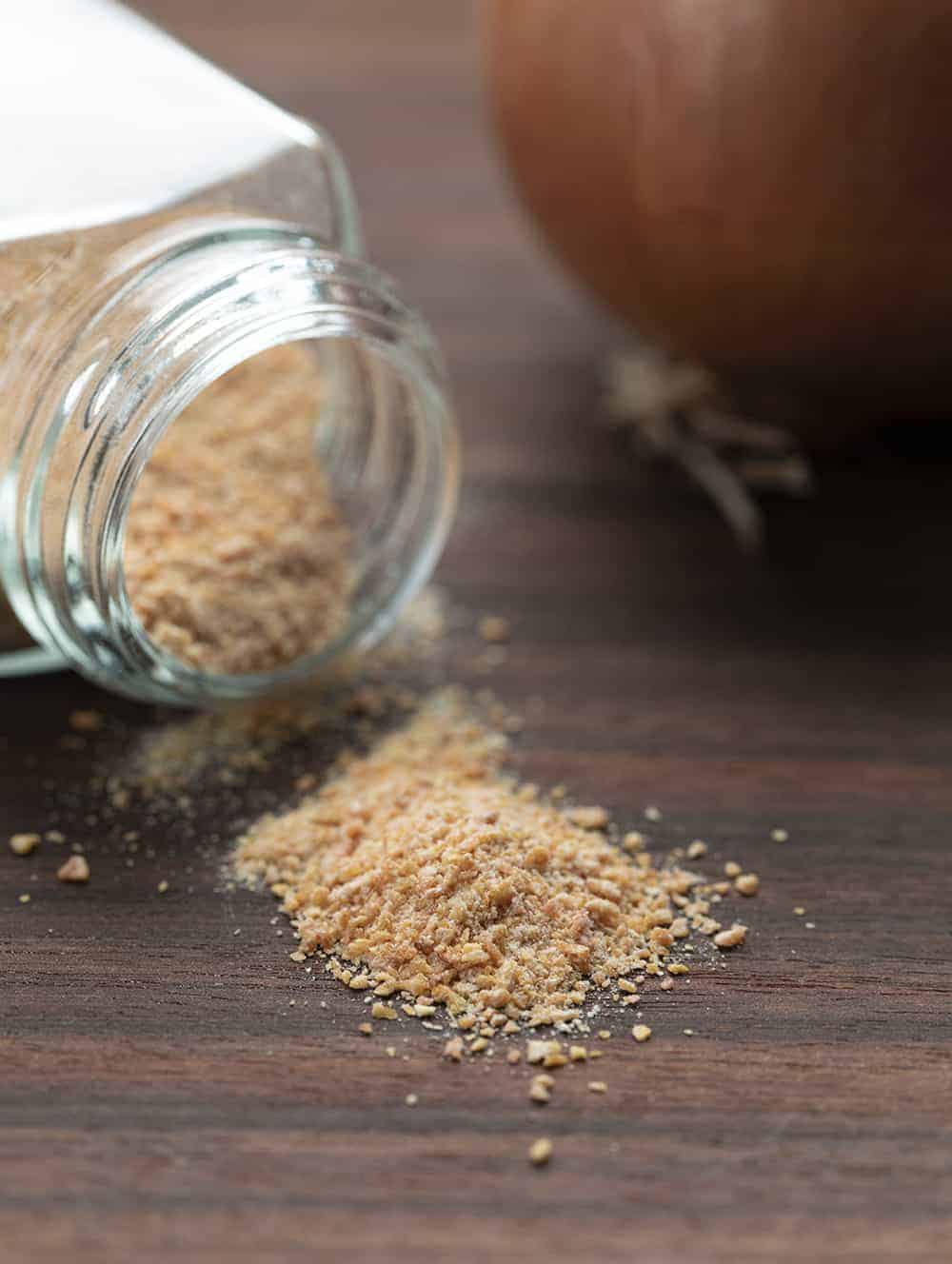
Unlock Unrivaled Flavor: The Magic of Homemade Onion Powder
Imagine a pantry staple that elevates every dish, bursting with an aromatic depth that store-bought versions can only dream of. That's precisely what awaits you with homemade onion powder. Far from being a niche culinary experiment, learning
how to make onion powder at home is a simple, incredibly rewarding endeavor that promises superior taste, smart food preservation, and a satisfying step towards a zero-waste kitchen. Forget the bland, chalky powders from the supermarket; your kitchen is about to become a factory of fresh, pungent deliciousness.
This comprehensive guide will walk you through everything you need to know, proving that you don't need a fancy food dehydrator to achieve perfectly crisp, ready-to-grind onions. All it takes is your trusty oven, a few common ingredients, and a little patience. Get ready to transform humble onions into a powerful flavor enhancer that will revolutionize your cooking!
Why Homemade Onion Powder Reigns Supreme
The difference between homemade and store-bought onion powder isn't just noticeable; it's astonishing. Much like the experience of grinding fresh coffee beans versus using pre-ground, the aroma and flavor profile of homemade onion powder are incomparably richer, more vibrant, and truly herbaceous. You'll actually *smell* and *taste* the sweet, pungent essence of real onions, rather than a muted, often metallic approximation.
Beyond the incredible flavor boost, making your own onion powder offers several compelling advantages:
*
Unbeatable Freshness: Store-bought spices can sit on shelves for months, even years, losing potency. Homemade ensures peak freshness.
*
Zero Waste Solution: Have a surplus of onions from your garden, a farmer's market haul, or just a few that are starting to sprout? This is an ingenious way to preserve them, preventing food waste and extending their shelf life for over a year when stored correctly.
*
Complete Control: You choose the type of onion (white, yellow, red, sweet, or spicy), ensuring the flavor profile you desire. You also control the purity, with no anti-caking agents or questionable additives found in commercial products.
*
Cost-Effective: Onions are an affordable staple, making homemade powder a budget-friendly alternative to often pricey gourmet spices.
In essence, making your own onion powder isn't just about cooking; it's about embracing a more sustainable, flavorful, and mindful approach to your pantry.
Getting Started: What You'll Need
The beauty of this project lies in its simplicity. You won't need specialized equipment, just a few kitchen essentials.
Ingredients:
*
Onions: Any variety will do! Yellow, white, or red onions are all excellent choices. Yellow onions tend to produce a richer, deeper colored powder, while white onions might yield a lighter product. Feel free to mix and match.
*
Practical Yield: Approximately 5 medium-sized onions will yield about 1/2 cup of powder, while 10 onions can create roughly 1 cup. Remember, this can vary based on onion size and moisture content.
Equipment:
*
Sharp Knife and Cutting Board: For efficient and fine chopping.
*
Baking Sheets: Enough to spread your chopped onions in a single layer.
*
Parchment Paper: Crucial for preventing sticking and easy cleanup.
*
Oven: Your primary "dehydrator" for this method.
*
Spice Grinder or Coffee Grinder: Essential for transforming crisp onion pieces into a fine powder. A dedicated spice grinder is recommended to avoid transferring coffee flavors.
*
Airtight Jars or Spice Containers: For proper storage of your finished product.
*
Optional: Sifter: A fine-mesh sieve can help achieve an ultra-smooth, professional-grade powder by catching any larger unground pieces.
*
Optional: Sunglasses: If you're sensitive to onion fumes (you know who you are!), a pair of shades can be a lifesaver during chopping.
Step-by-Step Guide: How to Make Onion Powder in Your Oven
This method focuses on oven drying, making it accessible to anyone without a dedicated food dehydrator. It’s a straightforward process that simply requires a little patience. For an even deeper dive into this technique, you might find this guide helpful:
How to Make Flavorful Onion Powder in Your Oven: A Simple Guide.
1. Preheat Your Oven: The Low and Slow Approach
Begin by preheating your oven to the lowest possible temperature it can maintain, ideally around 170°F (77°C). If your oven doesn't go quite that low, a range between 150-190°F (65-88°C) is acceptable. The key here is *low and slow* drying to remove moisture without cooking or burning the onions. A lower temperature means a longer drying time, but it ensures a better-preserved flavor and color.
2. Prepare Your Onions: Fine Chopping is Key
Peel your chosen onions. The next crucial step is to finely chop them. Consistency is important here; aim for uniformly small pieces (think a fine dice or minced, not pureed). Smaller pieces will dry more quickly and evenly, drastically reducing your oven time. If you have a food processor, you can pulse them a few times, but be careful not to create a paste.
Chef's Tip for Sensitive Eyes: As mentioned in our reference, don't be shy about wearing sunglasses or even goggles while chopping! Running a fan nearby or working under an exhaust hood can also help dissipate the eye-irritating compounds.
3. Arrange for Optimal Drying
Line your baking sheets with parchment paper. This prevents sticking and makes cleanup a breeze. Spread your finely chopped onions onto the prepared baking sheets in a single layer. Crucially, avoid overlapping or piling them up. Air circulation is vital for even drying, so give them space. If your onions are too crowded, they will steam rather than dry, extending the process significantly. This is precisely why a dehydrator alternative like this oven method requires ample surface area. For more insights on oven drying without a dehydrator, check out
No Dehydrator Needed: Make Onion Powder in Your Oven.
4. The Drying Process: Patience is a Virtue
Place the baking sheets with the onions into your preheated oven. The drying time can vary widely, typically ranging from 3 to 7 hours, depending on your oven's exact temperature, the type of onion, and how finely you chopped them.
*
Check Hourly: Every hour, gently stir the onions to promote even drying and prevent any single spot from becoming too hot.
*
Assess for Crispness: The onions are done when they are completely brittle. They should snap easily when bent, not bend or feel soft. If they are still pliable, they need more time. It's better to over-dry slightly than to under-dry, as any remaining moisture can lead to clumping or spoilage when powdered.
5. Cool Completely
Once the onions are perfectly crisp, remove them from the oven and let them cool down completely to room temperature. This step is essential; hot onions can release moisture when ground, leading to a clumpy powder. The cooling process also allows them to fully crisp up, which is vital for grinding.
6. Grind into Powder
Transfer the cooled, brittle onion pieces into your spice grinder or coffee grinder. Pulse them until you achieve a fine, smooth powder. You might need to do this in batches. After the initial grind, it's an excellent idea to sift the powder through a fine-mesh sieve. This will catch any larger, unground pieces, ensuring a consistently silky texture. Any larger pieces can be returned to the grinder for another pulse.
Tips for Perfection & Storage
Achieving the perfect homemade onion powder is easy, but a few pro tips can elevate your results:
*
Uniform Chopping: Consistency in chop size ensures all pieces dry at the same rate.
*
Don't Rush the Drying: Resist the urge to crank up the oven temperature. Slow and low prevents burning and preserves flavor.
*
Cooling is Non-Negotiable: Always allow the onions to cool entirely before grinding.
*
Sift for Smoothness: If you desire a truly professional-grade, clump-free powder, sifting is a game-changer.
*
Proper Storage is Key: Store your homemade onion powder in an airtight spice jar or container. Keep it in a dark, cool cabinet, away from direct sunlight or heat, to preserve its potency and flavor. When stored correctly, homemade onion powder can last over a year in your pantry, maintaining its incredible aroma and taste.
How to Measure and Use
A general rule of thumb is that one medium onion (or about 1 cup of chopped fresh onions) yields approximately one tablespoon of onion powder. However, this is just a guideline. The beauty of homemade spices is that you can taste and adjust! Add a teaspoon, stir, taste, and add more if your recipe or palate demands it.
Creative Ways to Use Your Homemade Onion Powder:
Now that you've mastered
how to make onion powder, the culinary possibilities are endless!
*
Seasoning Blends: Use it as a base for your own homemade rubs for chicken, beef, or pork. Combine with garlic powder, paprika, salt, and pepper for an all-purpose blend.
*
Soups, Stews, & Gravies: Adds a foundational layer of savory depth.
*
Marinades & Dressings: Infuse flavor into your favorite marinades for meats or whisk into salad dressings.
*
Roasted Vegetables: Sprinkle over potatoes, broccoli, carrots, or Brussels sprouts before roasting for an extra kick.
*
Snack Enhancer: A fantastic addition to popcorn, homemade chips, or roasted nuts.
*
Eggs: Elevate scrambled eggs, omelets, or frittatas with a pinch of this potent powder.
*
Breads & Doughs: Incorporate into savory bread recipes, focaccia, or bagel dough.
Conclusion: A Flavorful Journey Awaits
Learning
how to make onion powder is more than just a recipe; it's an investment in superior flavor, smart resourcefulness, and a more authentic cooking experience. You'll not only savor the incredible depth and freshness that store-bought versions simply can't match but also feel immense satisfaction in transforming humble ingredients into a powerful culinary tool. So, gather your onions, fire up your oven, and embark on this delicious, zero-waste journey. Your taste buds—and your kitchen—will thank you!