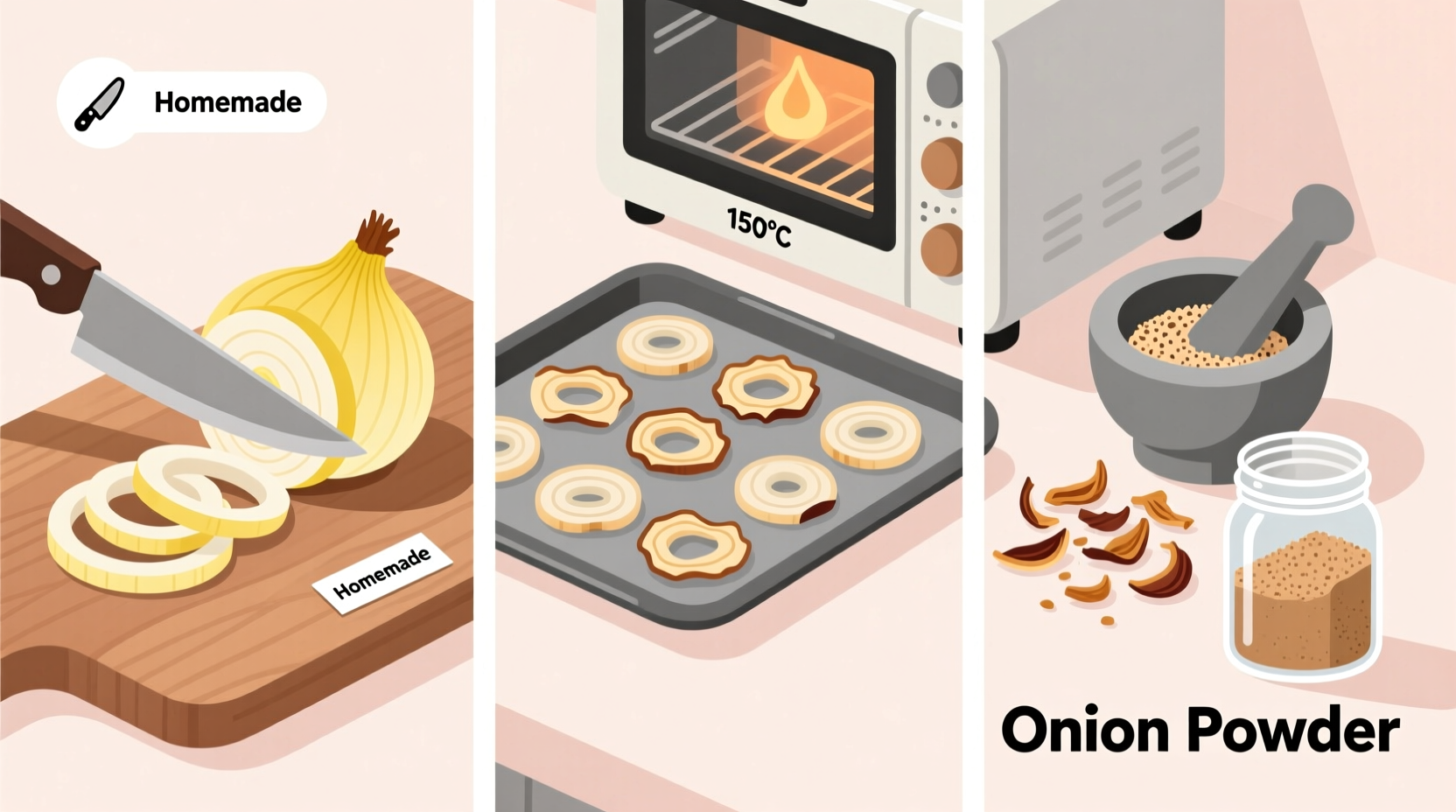
Unlock Unrivaled Flavor: Your Guide to Making Homemade Oven-Dried Onion Powder
Imagine a secret ingredient that elevates every dish, a vibrant burst of pure onion essence that tastes nothing like the bland, dusty powder you find on supermarket shelves. This isn't a fantasy; it's the incredible reality of homemade onion powder. And the best part? You don't need a fancy dehydrator. All you need is your trusty oven, a few humble onions, and a little patience. If you've ever wondered
how to make onion powder that truly sings with flavor, you're about to discover a simple, rewarding process that will revolutionize your spice rack.
This comprehensive guide will walk you through every step of transforming fresh onions into a potent, aromatic powder right in your kitchen oven. Prepare to be amazed by the depth of flavor and the pure satisfaction of creating your own culinary staples.
Why Homemade Onion Powder Reigns Supreme
The difference between store-bought and homemade onion powder is like night and day. Once you experience the vibrant, concentrated flavor of a freshly ground batch, there's simply no going back. Here's why making your own is a game-changer:
*
Unbeatable Flavor and Aroma: Commercial onion powders often lose much of their volatile oils and aromatic compounds during processing and extended storage. Your homemade version, created from freshly dried onions, retains a remarkable sweetness, pungency, and depth that truly stands out. You'll literally be able to smell and taste the difference immediately.
*
Purity and Control: When you make it yourself, you control every ingredient. No anti-caking agents, no fillers, no artificial anything – just pure, unadulterated onion. This is particularly appealing for those with dietary restrictions or a preference for clean eating.
*
Cost-Effective and Zero Waste: Have an abundance of onions from your garden? Or perhaps you found a great deal at the market, or have a few onions starting to sprout? Making onion powder is an excellent way to preserve these vegetables, preventing food waste and saving money in the long run. It's a fantastic solution to prevent perfectly good produce from going bad. Learn more about the benefits of a zero-waste kitchen by making your own spices in our article,
Homemade Onion Powder: Better Than Store-Bought, Zero Waste.
*
Simple Oven Method: Many think drying food requires specialized equipment. Not so with onions! Your standard kitchen oven, set to a low temperature, performs the job beautifully, making this a truly accessible project for any home cook.
Gathering Your Ingredients and Essential Tools
Before you embark on your onion powder adventure, a little preparation goes a long way.
Ingredients:
*
Fresh Onions: You can use any variety – yellow, white, red, or even sweet onions like Vidalia or Walla Walla. Each type will impart a slightly different flavor profile and color to your finished powder. Yellow onions tend to yield a rich, golden-brown powder, while white onions result in a lighter hue. Don't be surprised if your homemade powder isn't the stark white you're used to from the store; this is a sign of natural goodness!
*
Quantity Guide: Roughly 5 medium-sized onions will yield about ½ cup of onion powder, while 10 onions will give you approximately 1 cup. A good rule of thumb is that about 1 cup of chopped fresh onion will reduce down to roughly 1 tablespoon of powder.
Essential Tools:
*
Sharp Knife and Cutting Board: For efficient and fine chopping.
*
Food Processor (Optional, but Recommended): For speed and consistent results in chopping, especially if you're processing a large batch.
*
Baking Sheets: Several, to accommodate a single layer of chopped onions.
*
Parchment Paper: Crucial for preventing sticking and making cleanup a breeze. Do not skip this!
*
Oven: Capable of maintaining a low temperature (ideally 150-190°F / 65-88°C).
*
Spatula or Spoon: For stirring the onions during drying.
*
Coffee Grinder or Spice Grinder: A dedicated grinder works best to prevent flavor cross-contamination with coffee or other strong spices.
*
Fine-Mesh Sieve (Optional): For sifting the powder to remove any larger, unground pieces.
*
Airtight Jars: Small spice jars are perfect for storing your finished product.
Step-by-Step Guide: How to Make Onion Powder in Your Oven
This process is straightforward, but patience is key to achieving perfectly crisp, dry onions ready for grinding.
1. Preheat Your Oven
Set your oven to its lowest possible temperature, ideally around
170°F (77°C). If your oven doesn't go that low, anywhere between 150°F (65°C) and 190°F (88°C) will work. Remember, the lower the temperature, the longer the drying time, and vice-versa. We want to gently *dry* the onions, not cook them.
2. Prepare Your Onions
*
Peel: Remove the papery outer layers of all your onions.
*
Finely Chop: This is arguably the most crucial step. The smaller and more uniform your onion pieces, the faster and more evenly they will dry.
*
By Hand: Use a sharp knife to dice the onions as finely and consistently as possible.
*
With a Food Processor: For larger quantities, a food processor is a lifesaver. Pulse the onions until they are finely minced, almost like a coarse relish. Be careful not to over-process them into a paste, as this will hinder drying.
* *Tip for Sensitive Eyes:* Onion fumes can be potent! If you find yourself tearing up, try wearing sunglasses, using a fan, or even chilling the onions in the freezer for 15-20 minutes before chopping.
3. Arrange on Baking Sheets
Line your baking sheets with parchment paper. Spread the finely chopped onions onto the prepared sheets in a single, even layer. It's essential that the pieces do not overlap much, as this allows for optimal airflow and ensures even drying. If your onions are piled up, they will steam rather than dry.
4. Bake Until Crisp
Place the baking sheets into your preheated oven. The drying process will take anywhere from
3 to 7 hours, depending on your oven's exact temperature, the type of onion, and how finely they were chopped.
*
Check and Stir: Begin checking your onions after about 2-3 hours, and then every hour or so. Give them a gentle stir each time to expose different surfaces to the heat and prevent sticking.
*
Testing for Doneness: The onions are done when they are completely dry, brittle, and easily snap in half. They should not be soft, pliable, or bendable. If they are, they need more time. When completely dry, they will feel light and crumbly.
5. Cool Completely
Once the onions are perfectly crisp, remove the baking sheets from the oven and allow the dried onion pieces to cool down completely to room temperature. This is important because any residual heat can create condensation when grinding, leading to clumping or reduced shelf life.
6. Grind into Powder
Transfer the dried onion pieces into your clean coffee or spice grinder. Work in batches if necessary, filling the grinder no more than halfway.
*
Pulse and Grind: Secure the lid and pulse the onions, then grind continuously until you achieve a fine, smooth powder. The consistency should be similar to store-bought powder.
*
Sift (Optional, for Perfectionists): For an extra-fine powder, pass your freshly ground onion powder through a fine-mesh sieve. Any larger pieces that don't pass through can be returned to the grinder for another pulse.
This oven method is remarkably effective, proving that you don't need specialized equipment to create high-quality, homemade spices. For more details on this convenient technique, see our post
No Dehydrator Needed: Make Onion Powder in Your Oven.
Storing Your Culinary Gold & Creative Uses
Proper storage is key to maintaining the potency and freshness of your homemade onion powder.
Storage:
Transfer your freshly made onion powder into clean, airtight spice jars. Store them in a cool, dark cabinet, away from direct sunlight and heat, which can degrade its flavor and color over time. When stored correctly, homemade onion powder will retain its peak freshness and flavor for well over a year.
Creative Culinary Uses:
Your homemade onion powder is incredibly versatile. Its concentrated flavor means a little goes a long way. Here are just a few ideas:
*
Marinades and Rubs: A fantastic addition to any meat or vegetable marinade, or as part of a dry rub for grilling and roasting.
*
Soups and Stews: Deepen the savory base of any soup, stew, chili, or casserole.
*
Dips and Dressings: Mix into homemade ranch, onion dip, or vinaigrettes for an extra kick.
*
Eggs: Sprinkle into scrambled eggs, omelets, or frittatas.
*
Roasted Vegetables: Enhance the flavor of roasted potatoes, carrots, broccoli, or cauliflower.
*
Popcorn Seasoning: A pinch makes for surprisingly delicious, savory popcorn.
*
Homemade Spice Blends: Use it as a base for your own unique seasoning mixes, like taco seasoning, barbecue rub, or poultry seasoning.
*
Savory Baked Goods: Add to bread doughs, savory muffins, or crackers for an oniony twist.
When incorporating your homemade onion powder into recipes, remember its potency. Start with less than you think you need, perhaps half of what a recipe calls for in store-bought powder, then taste and adjust. You can always add more, but you can't take it away!
Conclusion
Making your own onion powder in the oven is a delightful and rewarding culinary project. Not only does it allow you to preserve excess onions and reduce food waste, but it also provides you with a superior, intensely flavorful spice that will elevate your cooking to new heights. The simple process, requiring only basic kitchen tools and a bit of patience, yields a product far beyond anything you can buy in a store. So, next time you find yourself with an abundance of onions, embrace the simple joy of creating your own flavorful onion powder. Your taste buds, and your pantry, will thank you!