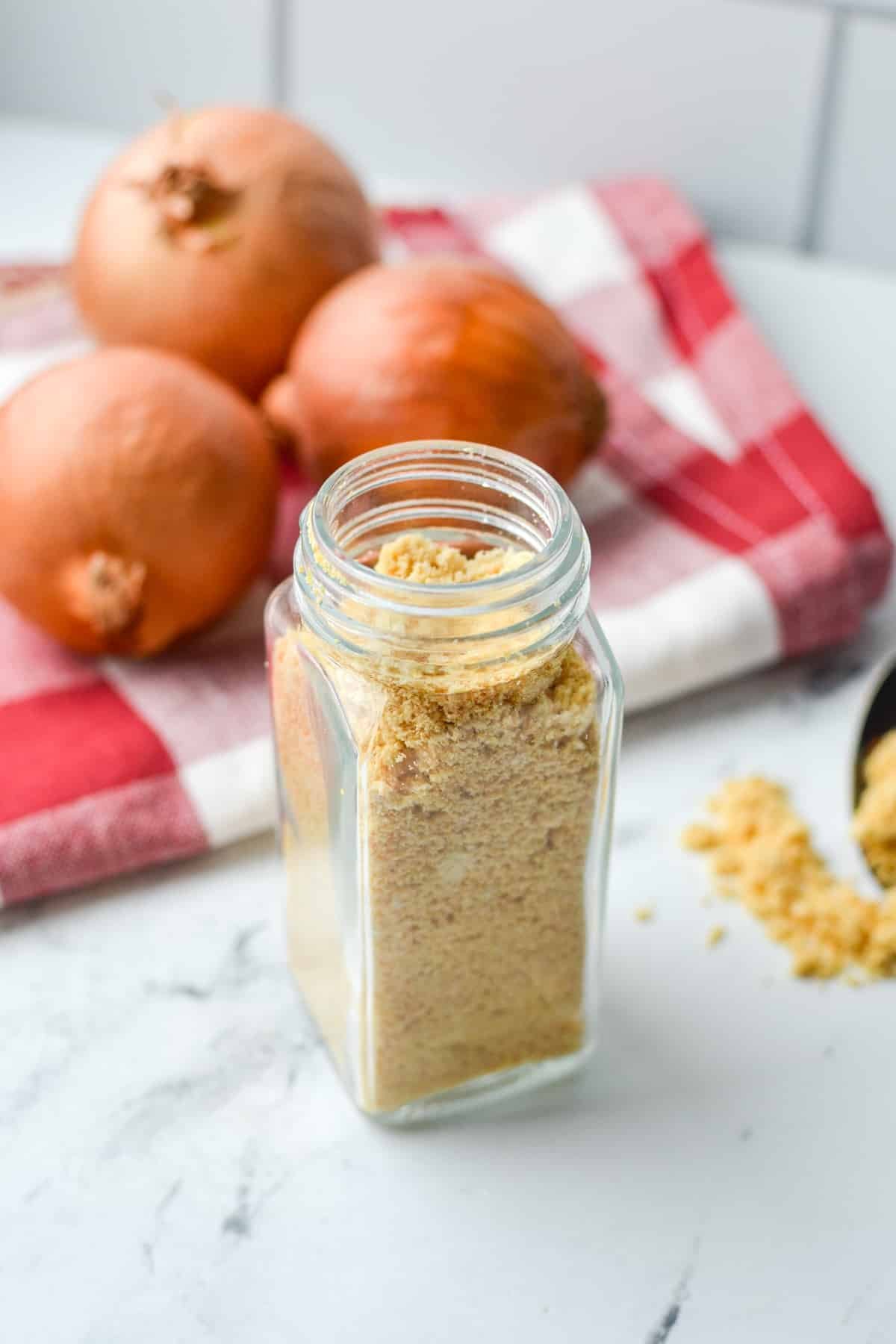
Unlock Intense Flavor: How to Make Onion Powder in Your Oven (No Dehydrator Needed!)
Are you tired of bland, store-bought onion powder that lacks the pungent aroma and vibrant taste of fresh onions? Imagine elevating your cooking with a homemade version so potent and delicious, it transforms everyday meals into culinary masterpieces. The good news? You don't need fancy equipment like a food dehydrator to achieve this! This comprehensive guide will show you precisely
how to make onion powder right in your standard kitchen oven, transforming humble onions into a golden, aromatic seasoning that will knock the socks off anything you've ever bought.
Making your own onion powder is not just a rewarding kitchen project; it's a game-changer for your spice rack. It's an incredible way to preserve a bounty of onions, reduce food waste, and infuse your dishes with an unparalleled depth of flavor. Whether you’re a seasoned home cook or just starting your culinary journey, this simple, step-by-step oven method is accessible to everyone. Get ready to experience the true essence of onion, bottled in a jar, ready to sprinkle into your favorite recipes.
Why Homemade Onion Powder Reigns Supreme
The difference between homemade and store-bought onion powder is like night and day. Once you try the homemade version, you’ll understand exactly what we mean. Commercial onion powders often undergo processes that diminish their natural aroma and flavor compounds, leaving behind a muted, sometimes chalky product. Our goal here is to preserve the sweet, savory, and slightly pungent notes that make onions so beloved.
When you dry onions at a low temperature in your oven, you're essentially concentrating their natural sugars and essential oils. This process intensifies their flavor profile, resulting in a powder that is deeply aromatic, incredibly fresh, and bursting with the genuine taste of onion. You'll notice a remarkable difference in anything from marinades and rubs to soups, stews, and roasted vegetables. Plus, making it yourself ensures you're using only the purest ingredients – no anti-caking agents or questionable additives, just pure onion goodness. It's a fantastic zero-waste solution for extra onions, allowing you to enjoy their robust flavor long after their fresh season has passed. For more on the benefits, check out
Homemade Onion Powder: Better Than Store-Bought, Zero Waste.
Choosing Your Onions and Preparing for Drying
The beauty of making homemade onion powder is its versatility. You can use virtually any type of onion you have on hand – white, yellow, red, sweet, or even a mix! Each variety will impart its unique nuances to the final powder. Yellow onions, for instance, tend to produce a richer, more golden-hued powder, while white onions might result in a lighter color. Red onions will give you a beautiful reddish-purple powder that adds visual interest as well as flavor. Don't be surprised if your homemade powder doesn't look like the stark white stuff from the grocery store; this is a sign of its natural, unadulterated quality.
Preparation Steps:
1.
Quantity Matters: As a general guideline, about 5 medium-sized onions will yield approximately 1/2 cup of onion powder, while 10 onions can produce a full cup. This ratio helps you plan based on how much powder you'd like to make.
2.
Peel and Chop Finely: This is arguably the most crucial step for efficient drying. Start by peeling your onions. Then, you'll need to chop them as finely and uniformly as possible. The smaller and more consistent the pieces, the faster and more evenly they will dry. A food processor with a chopping blade can be a huge time-saver here, but a sharp knife and some patience work just as well. For those with sensitive eyes, consider wearing sunglasses or even goggles – a trick many seasoned cooks swear by!
3.
Preheat Your Oven: Set your oven to its lowest possible temperature, ideally around 170°F (77°C). If your oven doesn't go that low, anywhere between 150°F and 190°F (65°C-88°C) is acceptable. Remember, the goal is to dry the onions, not cook them. Lower temperatures take longer but yield a better, more consistent dry.
4.
Line Baking Sheets: Line large baking sheets with parchment paper. This prevents sticking and makes cleanup a breeze.
5.
Spread Evenly: Arrange the finely chopped onions in a single, even layer on the prepared baking sheets. Crucially, avoid overlapping the pieces. Overlapping will trap moisture and significantly extend drying time, or worse, lead to uneven drying and potential spoilage. You might need multiple baking sheets depending on the quantity of onions.
The Drying Process: Patience is a Virtue
Once your onions are prepped and spread out, it's time to let your oven do the work. This is where patience truly pays off, as the drying process can take anywhere from 3 to 7 hours, depending on your oven's exact temperature, the type of onion, and how finely you chopped them.
1.
Bake Until Crisp: Place the baking sheets with the onions into your preheated oven. You'll want to bake them until they are completely brittle and crisp. The key indicator is that they should easily snap in half, rather than bend or feel soft.
2.
Check and Stir: Begin checking your onions after about an hour, and then continue checking every hour or so. Give them a gentle stir each time you check. This helps promote even drying and prevents any areas from becoming overly dry or, conversely, remaining damp.
3.
The "Snap" Test: Don't rush this step. If the onions still feel pliable, they need more time. Any residual moisture will lead to clumping and significantly shorten the shelf life of your homemade powder. They should feel like dried leaves or brittle wood chips when fully done.
4.
Cool Completely: Once the onions have reached the desired crispness, remove them from the oven and let them cool completely on the baking sheets. This allows any residual heat to dissipate and further ensures they are bone-dry before grinding.
Grinding and Storing Your Homemade Onion Powder
After all that careful drying, the final steps are quick and satisfying.
1.
Grind to Perfection: Transfer the cooled, dried onion pieces into a spice grinder or a dedicated coffee grinder. Pulse them in short bursts until they transform into a smooth, fine powder. Avoid over-grinding, which can generate heat and reduce flavor potency.
2.
Sift for Uniformity (Optional but Recommended): For the smoothest powder, you can sift the ground onions through a fine-mesh sieve. This will separate any larger, unground pieces, which you can then return to the grinder for another pulse. This extra step ensures a consistent texture, perfect for blending into spice mixes.
3.
Store Properly: Your fresh, homemade onion powder needs to be stored correctly to maintain its potency. Transfer it to an airtight spice jar or container. Keep it in a cool, dark cabinet, away from direct sunlight and humidity. Stored properly, your homemade onion powder can last over a year, though its intense flavor might encourage you to use it much faster!
For a deeper dive into making onion powder in the oven, you might find more helpful details in
How to Make Flavorful Onion Powder in Your Oven: A Simple Guide.
Creative Ways to Use Your Fresh Onion Powder
Now that you've mastered
how to make onion powder, it's time to put it to good use! The enhanced flavor of your homemade powder means a little goes a long way. Here are just a few ideas to get you started:
*
Spice Rubs and Marinades: Combine with garlic powder, paprika, salt, and pepper for an incredible dry rub for meats or vegetables.
*
Soups and Stews: Add a pinch to deepen the savory base of any soup, chili, or stew.
*
Dips and Dressings: Stir into homemade ranch, onion dip, or vinaigrettes for an extra kick.
*
Roasted Vegetables: Sprinkle over potatoes, carrots, or broccoli before roasting for an instant flavor boost.
*
Eggs: A dash in scrambled eggs or omelets adds a delightful savory note.
*
Homemade Seasoning Blends: Create your own signature blends, knowing you're starting with the best quality onion powder.
*
Breads and Crackers: Incorporate into dough for savory breads, focaccia, or homemade crackers.
The possibilities are endless, and you'll soon find yourself reaching for your homemade onion powder constantly.
Conclusion
Making your own onion powder in the oven is a simple, rewarding kitchen project that yields incredible results. It's a testament to the fact that sometimes, the best flavors come from returning to basics and utilizing fresh, wholesome ingredients. By following these steps, you'll not only learn
how to make onion powder without a dehydrator but also discover a fresh, potent seasoning that will significantly elevate your culinary creations. Say goodbye to stale, store-bought spices and hello to the vibrant, aromatic world of homemade onion powder! Your taste buds (and your cooking) will thank you.